
World Mental Health Day 2023

There’s obviously a lot to say about Mental Health.

Statistically in the US alone, one in five adults will experience a Mental Illness during their lifetimes. One out of every five adults. That’s 22.8% of the US population.

17% of young people between the ages of 6-17 will experience a mental health disorder.

Those are some pretty alarming numbers.

So what’s going on? Why are so many people in all age groups struggling?

Stigma plays a really big role. While talking about Mental Health is more accepted today than even 25 years ago, there is still a huge stigma around Mental Health. People are embarrassed at the thought that they’re “not handling themselves”. That their minds are controlling them instead of the other way around. That they might be perceived as weak. When you don’t feel good about yourself, its very easy to enclose oneself in these labels and feel ashamed.

But what if our perception is off a bit? Have you ever caught yourself discovering that a situation that you’ve been trying to overcome isn’t what you thought it was? Maybe it was even easier than you thought it was? Maybe there is a way to look at ourselves that’s more gentle than how we’ve been handling it so far.

We’re taught to treat other people with kindness and respect; don’t we deserve the same?

Often times, our past defines our present. If we’re continuously but silently in our own backgrounds, telling ourselves some storyline that we’ve been using forever – maybe even since we’ve been children – about who we are and how life was going to be for us – wouldn’t that stand to reason that it could have an effect on us today?

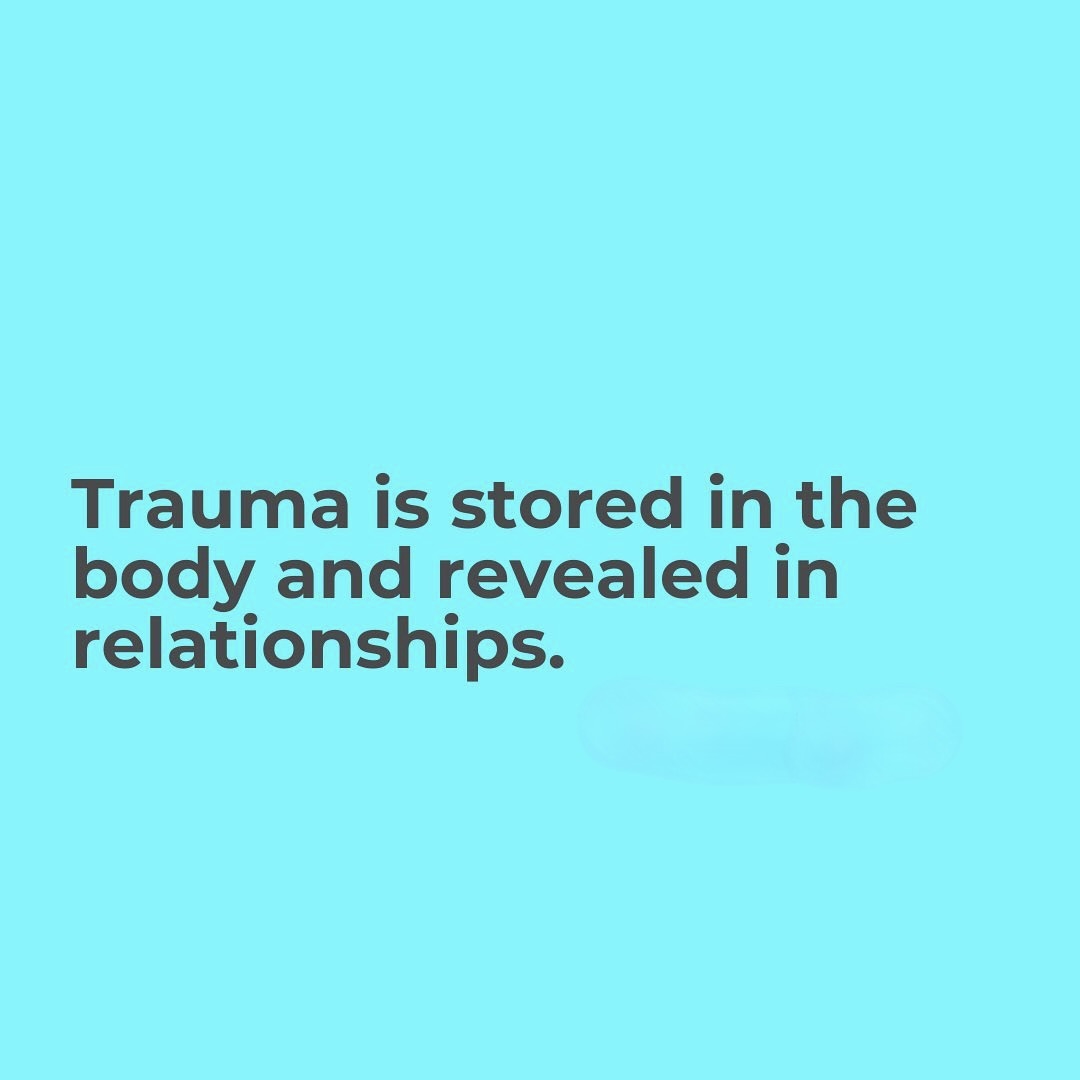
We often carry these emotions and silent thoughts around in our bodies; and they can present themselves as a headache every now and again. Or maybe as a nervous finger tapping that we unconsciously do. Maybe it shows up as rapid breathing, a perpetual stomach ache, high blood pressure or anxiety.

There is no difference between taking your car in to the mechanic when its check engine light comes on and working with a Mental Health professional. Zero difference between going to see your medical doctor when you are due for a checkup or when you’re not feeling well and talking with a Counselor or Therapist when you feel that your emotions aren’t doing well.

Who doesn’t want their cars to run well? Who doesn’t want to physically feel good? Outside AND inside?

I’ll challenge you to NOT buy into the stigmas around Mental Health, and to make that move to find someone to talk with when you feel like you need to. It really isn’t a big deal, and life is just too short to be unhappy. There’s a good chance that using something as simple as your breath can access and release body stressors, and you’ll end up actually finding looking into yourself very interesting; and finding freedom and peace.

Worth the price of admission, 100%.

Effective usage of breath work during a panic attack

This is a pretty accurate representation of a panic attack, and the use of the breath as a tool to manage the symptoms. For those that watch Ted Lasso, we get to see the progress that Ted has made with Dr. Sharon in learning a coping mechanism for anxiety. He has learned his cues that a panic attack is coming and has developed tools to fend it off. The look of relief and accomplishment at the end says it all.

Tips for fending off a panic attack as demonstrated by Ted:

1. Identify. Learning the first signs of a panic attack are important in them not taking over. For Ted, it seems to start with rapid heartbeat and a ringing in his ears.

2. Focus on the breath. The goal is for these deep, cleansing breaths Ted shows here; ensuring that the exhale is longer than the inhale. Thinking only of the breath helps to mitigate the intrusive thoughts as well as calm the body.

3. Grounding. You see Ted place his hand on his chest, which is great. It helps keep one in touch with the body and acts as self-assurance that I am, in fact, okay. Find something that brings you back to the present.

4. Self-talk. Repeating a phrase that soothes your anxiety can shift your focus enough to stop the attack. Ted repeats “It’s okay”. Find a phrase, or a few, that reassures you to use in these moments.

.

.

#mentalhealth #mentalhealthawareness #mentalhealthawarenessmonth #breathwork #anxiety #panicattack #tedlasso #peacelovelasso

Childhood Trauma and Adult Sleep Disorders

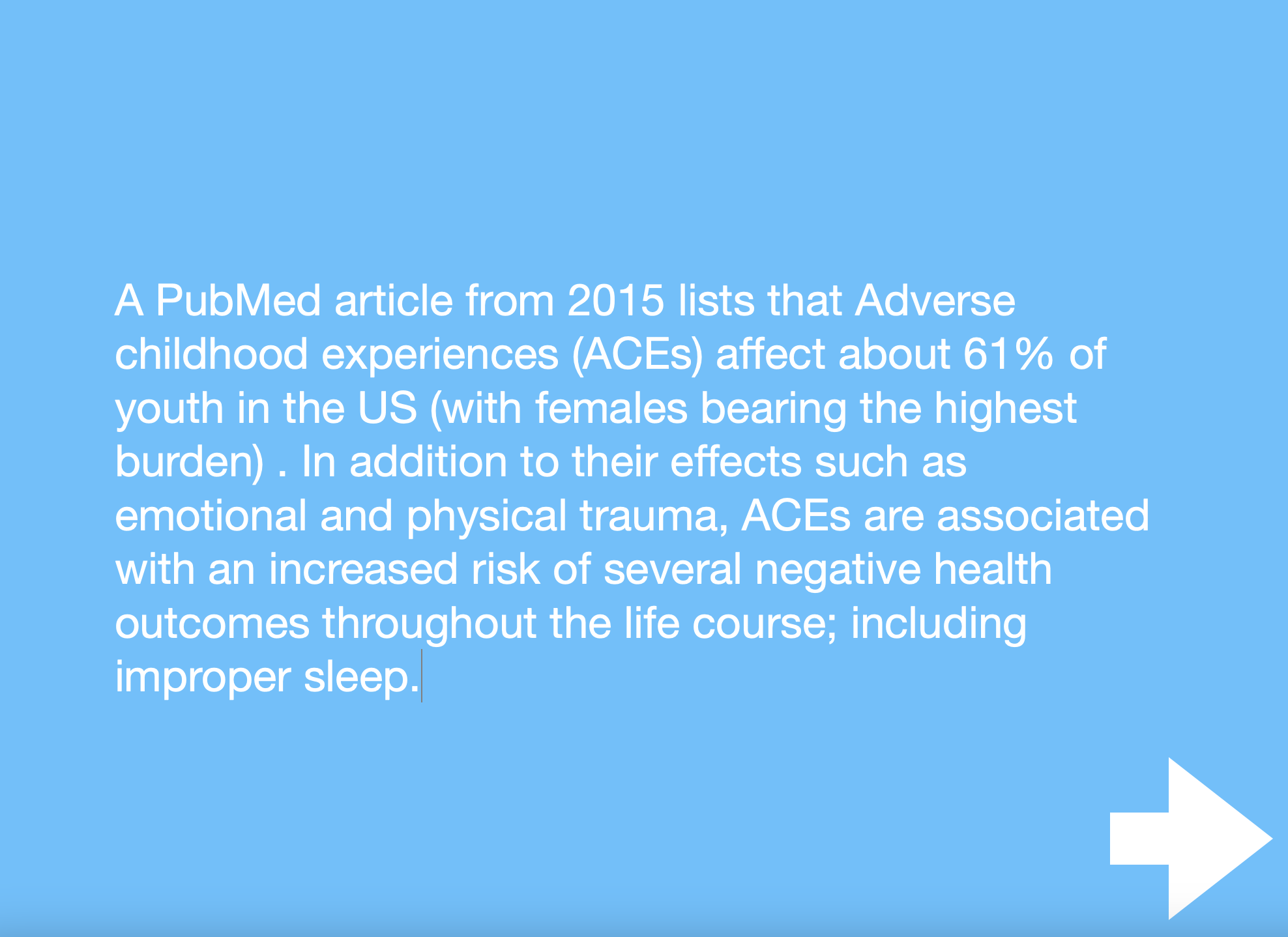
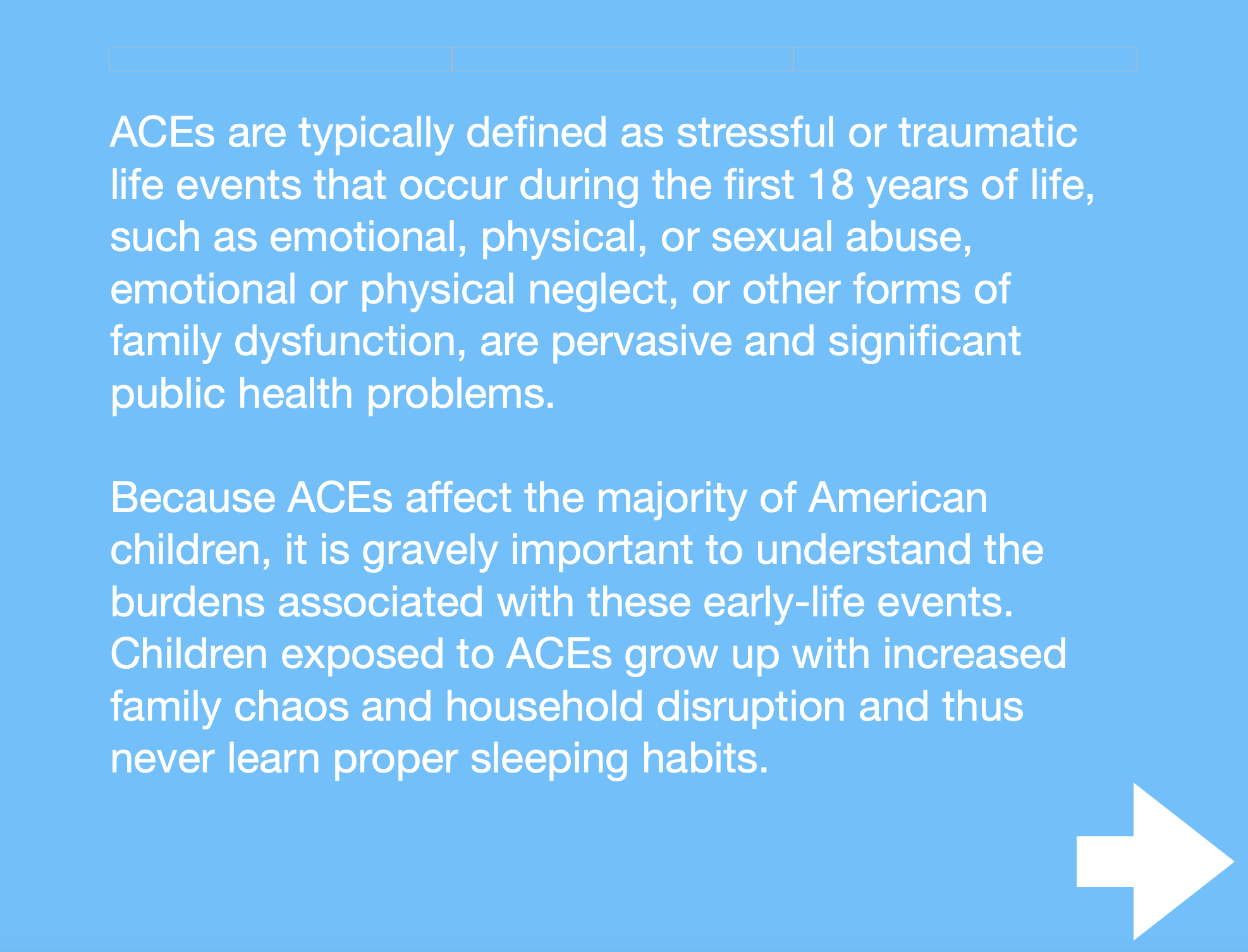
A 2015 PubMed article states that 61% of children in the US alone experienced some sort of trauma.

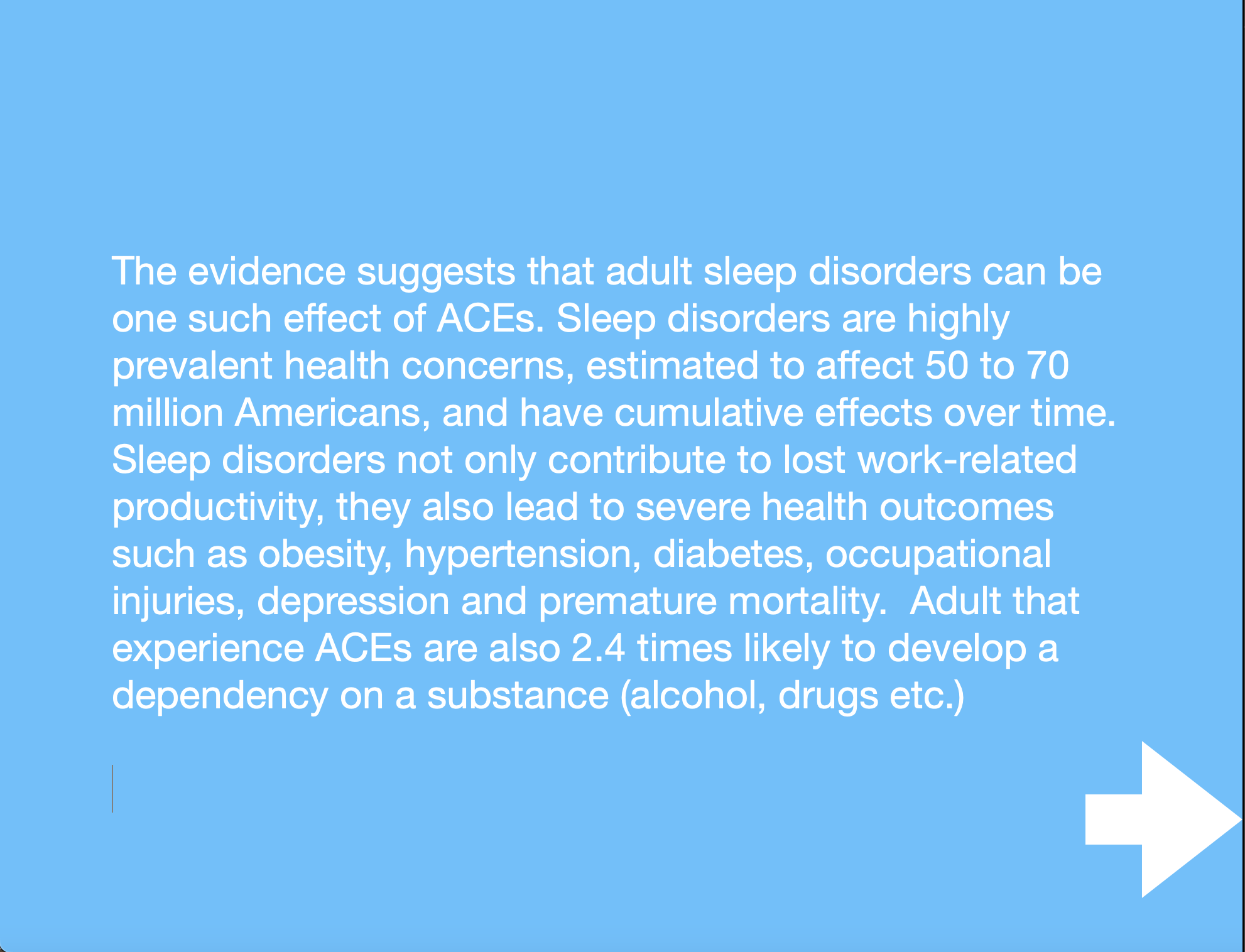
A clear association has been identified between childhood trauma and adult distributive sleep patterns such as narcolepsy and insomnia.

Other behavioral issues such as anxiety, obesity and substance abuse are also connected to childhood trauma.

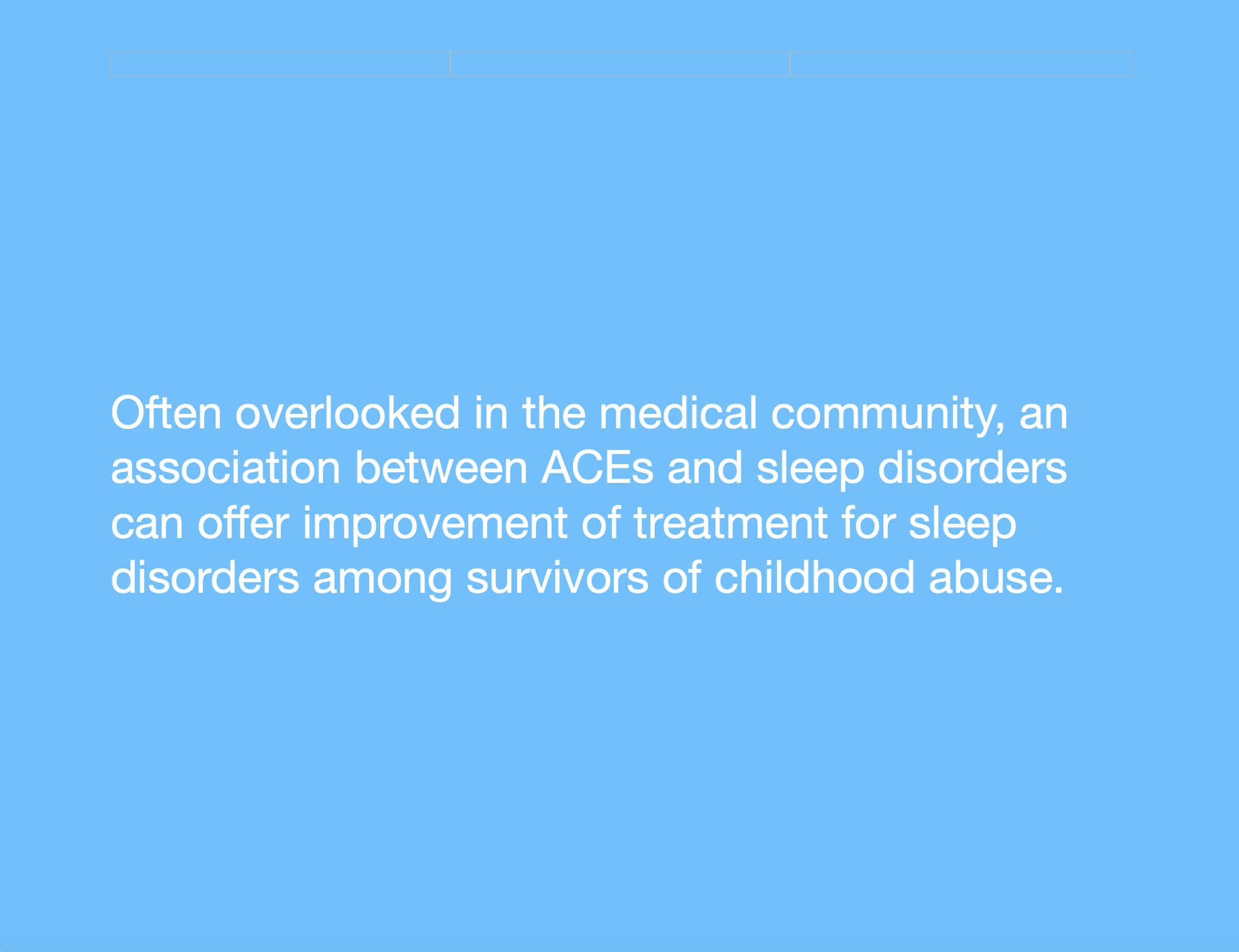
Working with both a doctor to address the physical symptoms of sleep deprivation and a therapist to help address the attached emotional experiences greatly increases the opportunities for recovery.

#childhoodtrauma#trauma#sleep#traumarecovery#traumahealing#narcolepsy#insomnia#emotionalhealth#mentalhealth

Literal words from a new Client a little more than halfway through his second appointment.

Working with a Therapist is not at all unlike making a new friend; you need to be able to get along with each other, there needs to be an element of trust and safety and ease. All of these help to create an atmosphere that makes it easy to talk this new person in your life. Many times, at five minutes before the hour is up people will look at the clock and go “Whoa! That was the fastest hour that I’ve ever spent!”.  

We’re all human. It isn’t always that easy, but oftentimes it is. 

#therapy #therapist #selfcare #selfwork #psychology #PsychologySunday #counseling #counselingworks #williamschmidtcounseling

The Eleven Tenets of Companioning the Bereaved

From The Theory of Companioning the Bereaved by Dr. Alan Wolfelt

Tenet One:

Companioning is about being present to another person’s pain; it is not about taking away the pain.

Tenet Two:

Companioning is about going to the wilderness of the soul with another human being’ it is not about thinking you are responsible for finding the way out.

Tenet Three:

Companioning is about honoring the spirit; it is not about analyzing with the head.

Tenet Four:

Companioning is about listening with the heart; it is not about analyzing with the head.

Tenet Five:

Companioning is about bearing witness to the struggles of others; it is not about judging or directing these struggles.

Tenet Six:

Companioning is about walking alongside; it is not about leading.

Tenet Seven:

Companioning is about discovering the gifts of sacred silence; it does not mean filling up every moment with words.

Tenet Eight:

Companioning is about being still; it is not about frantic movement forward.

Tenet Nine:

Companioning is about respecting disorder and confusion; it is not about imposing order and logic.

Tenet Ten:

Companioning is about learning from others; it is not about teaching them.

Tenet Eleven:

Companioning is about compassionate curiosity; it is not about expertise.

Bringing the Unconscious to the Surface

Tamika, 26, was raised in a home with parents who were deeply religious. She was adopted and she was aware that she was adopted from an early age.

A part of her always wondered about her birth parents, but she subconsciously felt trying to learn more about them would be a betrayal to her parents. Regularly, people said things like: “you’re so lucky you got adopted” which reinforced the belief that she should feel nothing but gratitude. She never felt fully emotionally connected to her parents, but she did know that they loved her. 

When she meets Aaron, she’s smitten. They move quickly. She knows her parents will approve because he shares similar religious beliefs. But as they get closer she can’t help but feel a lack of trust. She regularly goes through his phone. She questions him consistently about where he’s been. She pushes him to propose to prove his loyalty.

The voice in her head and the alarm in her body speaks loudly: he will betray you. 

Aaron doesn’t know how to cope with her insecurity. In his mind, he’s done nothing but be faithful. He’s feeling exhausted and worn down by allegations. He starts to pull away, which only activates Tamika’s abandonment wound. 

She doesn’t have the words to communicate the impact of her adoption trauma — and even if she did she fears she’d hear what she’s heard since she was a child; “you should be grateful.”

She also can’t explain why she’s never felt safe in relationships and that her controlling behavior stems from an unconscious fear that people who love her will eventually leave her.

This is where a third party with a trained ear can be of service; to listen, to interrupt at key points during the conversation and ask questions, and gently guide the client towards seeing if the unconscious is influencing the conscious. There is absolutely no shame or embarrassment about looking at oneself and wanting to live more consciously, changing the course of one’s life for the better.

#therapy #counseling #counselor #psychology #endthestigma 

Making time for your well-being

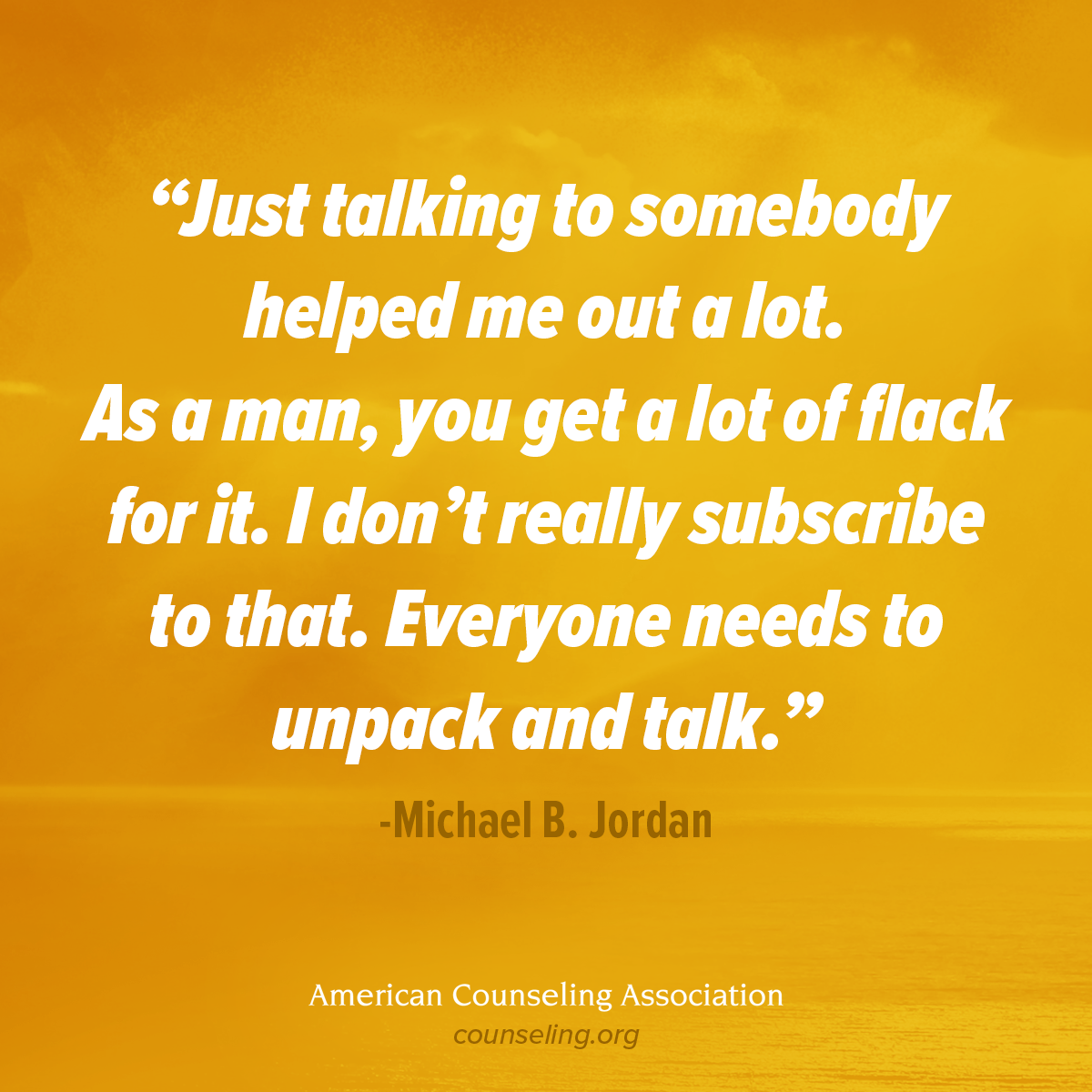
Although its getting better, there is still an enormous amount of stigma and shame wrapped around the subject of mental health and seeking out help. Often times its viewed as embarrassing and/or shameful when the reality is that its no different from talking to your physical doctor about a pain in your knee or taking your car in when the check engine light comes on. Zero difference. Anyone can benefit from talking with someone when the need to unpack comes up.

World Mental Health Day 2022

In the US alone:

Every year, one in five adults experience a mental illness.

One in twenty adults experience a serious mental illness.

Fifty percent of mental illnesses begin by age fourteen.

The average delay between the onset of mental illness and treatment is ELEVEN YEARS.

People experiencing depression have a 40% higher risk of developing cardiovascular and metabolic disease than the general population.

In 2020, 32.1% of adults experiencing mental illness also experienced a substance use disorder.

October 10 is World Mental Health Day, asking for attention to be drawn to what has historically been known as a silent struggle for generations of people.

Seeking out help from a Mental Health Professional is NO different from going to your physical doctor for your checkup or taking your car in for service when the check engine light is on. Yet, social and cultural stigma has plagued and embarrassed those that experience mental illness for decades.

Some easy things to do to help yourself are:

Move your body. Exercise. Ride a bike. Go for a walk. Our bodies are designed to be mobile, not to sit at desks all day. It’s good to break a little sweat each day if you can.

Spend some of that exercise time in nature. Go for a walk in the woods or in a park. Sit under a tree for a while if you can. Just be quiet as you walk or bike through the woods and see what you can hear.

Eat well. That doesn’t mean a Big Mac. That means eat seasonal and locally grown foods as often as you can. Avoid dairy, especially as you age. Experiment and see for yourself, how you feel when you eat heavy and how you feel when you eat lighter.

Its time to end the stigma and the struggle.

Emergency Contact information is below:

Crisis Text Line

Text MHFA to 741741 to speak with a trained crisis counselor.

Mental Health America offers compiled lists of help resources in both telephone and text at https://www.mhanational.org/get-involved/contact-us

In Southeastern Michigan, Common Ground offers lifelines for crisis and suicide prevention, Urgent Care Clinicians, and has an online Resource and Crisis Center.  Visit https://commongroundhelps.org

Lastly, reach out to psychologytoday.com or your local Hospitals for contact information for Mental Health support in your area.

Its never too late for the rest of your life.

#mentalhealthday #mentalhealthawareness #mentalhealth #mentalhealthmatters 

Mental Health Awareness Month

The month of May has been Mental Health Awareness Month in the US, so lets review some facts about Mental Health.

One in five adults in the US will experience a mental health challenge at some point during their lives. One in five. And over forty percent of people suffering from a mental health event will take over a year to seek out help.

Stigmas around mental health and its treatment can include shame, embarrassment, ego and pride, discrimination and even culture. Many “isms” go hand-in-hand with mental health: substance abuse, food, and sex are common ways that people can avoid themselves. People can overwork, over acquire possessions and people in their lives to numb themselves so that they won’t have to feel what they do when there’s no action around. Simple logic dictates that we see a doctor when we’re physically ill. Working to treat our emotional health is no different.

What is Mental Health?

Mental Health is a state of emotional well-being in which an individual:

Realizes their own capabilities

Can successfully mange the normal stresses of life

Can work productively

Can contribute to their Community

What is a Mental Health Challenge?

There is a major change in someone’s thinking, feeling or behavior that interferes with the person’s ability to live their life.

The interference lasts longer than typical emotions or reactions would be expected to.

How to observe Mental Health Awareness:

1. Take care of yourself. Sometimes life’s ups and downs can seem to be heavy and burdensome.

2. Check up on your friends and family. Often, all people need is a non-judgmental listening ear. Support and encourage your friends and family if they are being treated for any mental problems.

3. The more mental health is discussed, the more accepted it will become. Learn about what behaviors and language to watch for in your friends, family and also in yourself.

Some resources:

Crisis Text Line

Text MHFA to 741741

Mental Health First Aid USA

https://www.mentalhealthfirstaid.org/mental-health…/

Finding a Behavioral Health Professional

www.psychologytoday.com/us